

01
GTM strategy is not a set of tactics across channels
It's what channels execute — who your audience is, the job they need done, the context they're buying in, who you compete with there, and why you fit best.
Book a callThree layers under every channel that actually runs
Strategy without operationalisation drifts in a quarter. Channels without strategy underneath burn budget without compounding. We work the gap between the two — three layers, in this order.
- 01
Strategy
Which battles to fight.
Underserved jobs, ICP, positioning, narrative, the messaging architecture that makes a stranger pick you on the second meeting. The decisions every channel runs on, whether you've made them explicitly or not.
- 02
Tactics
How to run them.
PR, cold outreach, advertising, content, partnerships, events — the moves you make, paired with the channels they live in: LinkedIn, email, podcasts, paid, owned. Category Entry Points are the lens that pulls all of this into one coherent GTM — every tactic anchored to a moment a buyer is actually in, not a slot in your campaign calendar.
- 03
Creative execution
Making it ship — without the headcount bottleneck.
Strategy lands as a deck. Then channels have to learn it, ship it, and repeat it across hundreds of touchpoints — stuck waiting on a creative team that can't scale. AI-native production turns site, content, campaigns, and sales collateral from headcount-bound projects into a system that ships daily and compounds with every release.
Companies we've worked with
The jobs we close
Pick the one that matches where you are
02
Outpace competitors in a highly competitive market
03
Operationalise strategy into a system that runs daily
04
Treat every launch as hypotheses we test, not as a plan we execute until we die
05
Turn "become AI-native" from wishful thinking into workflows the team actually runs daily
How we work
We're an AI-native agency. Strategy is a human call. The execution layer — research, drafts, repeat work — runs on AI. That split shapes the three principles below.
We embed GTM engineers, not consultants
One of us is in your team full-time — in the room, in the standup, shipping alongside. We treat GTM as infrastructure, not a deck: versioned, tested, propagated across surfaces in code. A strategy that arrives as a deck drifts in a quarter; one built from inside the daily work doesn't.
We build navigation, not strategy documents
Every plan we leave you with behaves like a map: each result redraws the whole chart, not just the current heading. When reality diverges, the team updates the map — no re-plan from scratch. The Cascade Navigation System is the runtime.
When we leave, the system keeps running
The last thing we build is the thing that runs without us. AI-native workflows and the navigation live in your team's week — not in our shared Notion. Transfer is the deliverable, not an afterthought.
Phase 01
Map
We embed, learn your production cycle, name the breakpoints, build the hypothesis graph.
Phase 02
Build
Together we design the new processes, the navigation system, the AI-native infrastructure. Weekly cycles. Stage-gates. Confidence × Opportunity scoring.
Phase 03
Transfer
The system starts running without us. We tune, we document, we hand over. When we step back, the team doesn't miss a beat.
We've done this before. At companies you've heard of
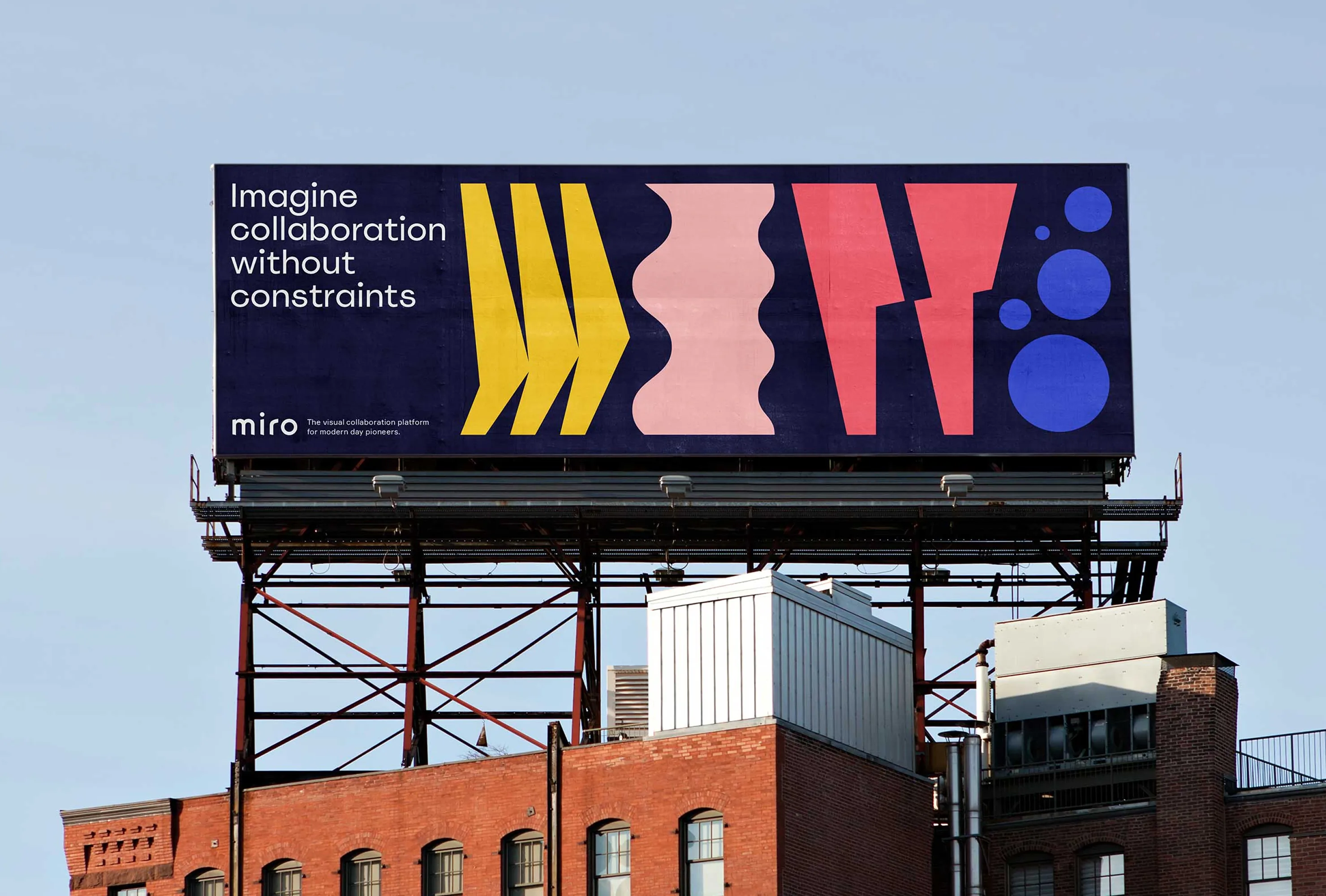
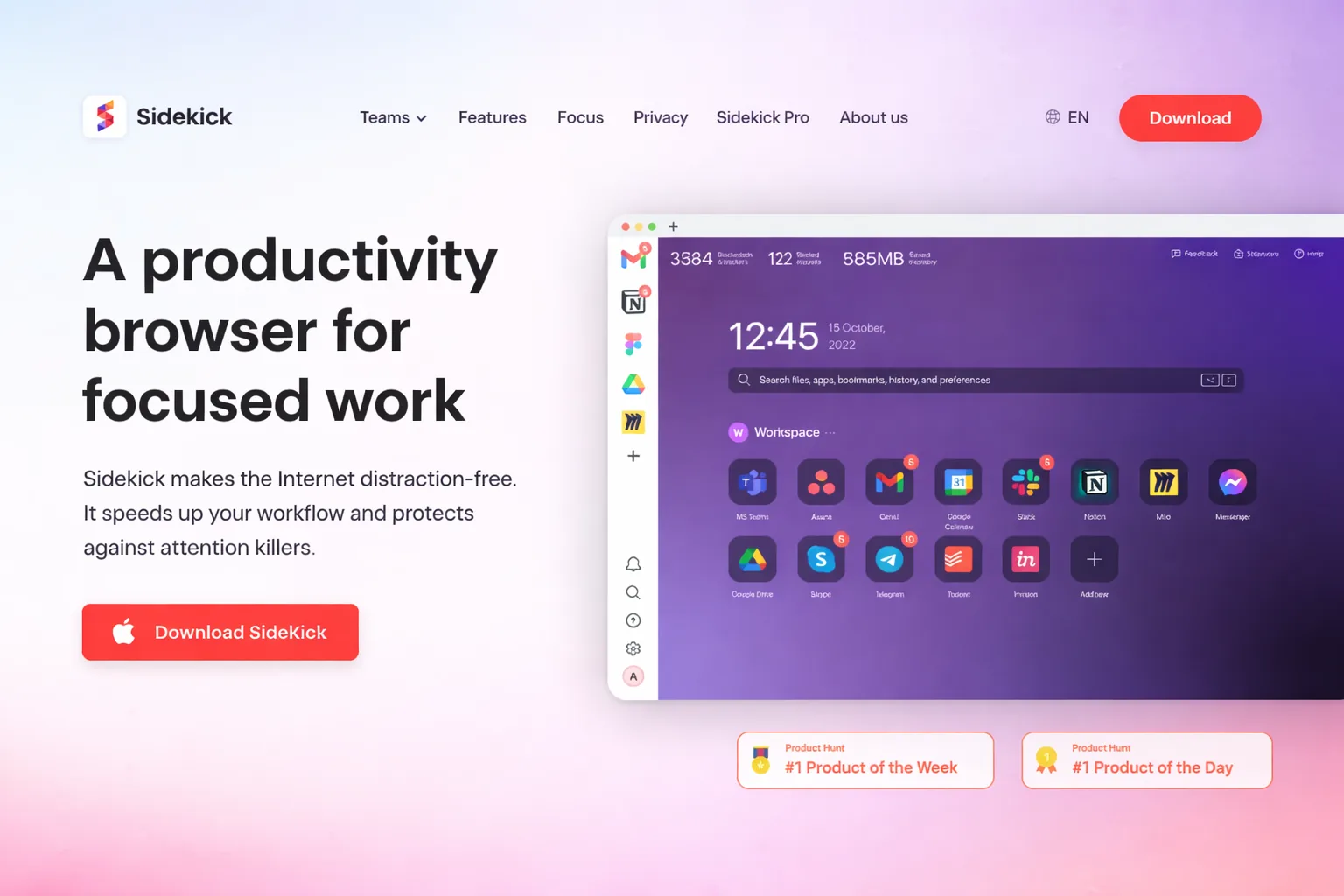
Built by people who've shipped brands and products at Miro, Sidekick Browser, Meta, McKinsey, R/GA, Metalab, Stink Studios, Your Majesty, ONY, and Action. When you work with us, the people on this page are the ones running your project — not their junior account leads.
We stay small on purpose. An AI-native stack lets us take on the volume that used to need thirty people. Client economics on one side, quality guarantee on the other.
Yegor Korobeynikov
Founder & CEO
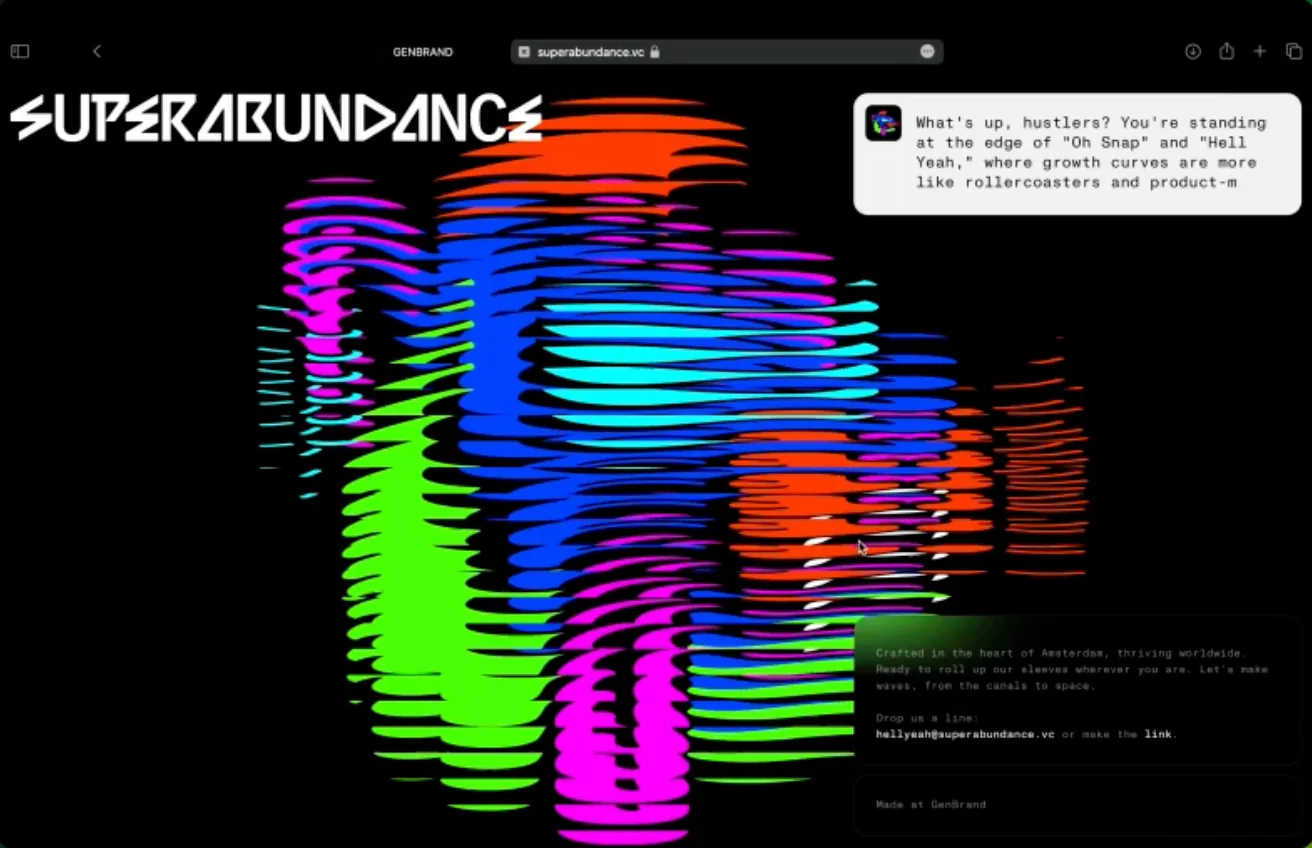
Brand, GTM, marketing, product. Led the RealtimeBoard → Miro rebrand and in-house brand studio. Was in charge of marketing at Sidekick Browser (acquired by Perplexity, now Comet). Co-founded Superabundance, a venture studio for AI startups.
Anna Barinova
Product Lead
Leads product. Shipped 50+ products from zero, built cross-functional processes in teams of 35+, and architected design systems scaled across products with up to 14M MAU.
What's something that prevents you from moving the needle?
You show us the problem. We tell you where we'd start, and whether we're the right fit. If not, we'll point you at someone who is.
Book a callyegor@backspaceoddity.com